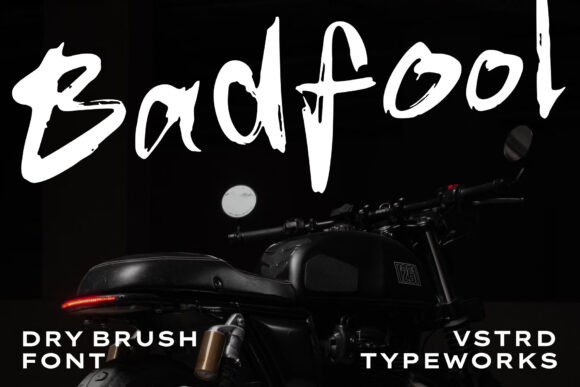
Introducing Badfool – Dry Brush Scribble Font
Badfool is a unique and visually striking font that brings a sense of spontaneity and character to any design project. This dry handwritten scribble brush font is designed to capture the essence of hand-drawn textures, offering a level of detail that sets it apart from more traditional typefaces. Whether you're creating logos, branding materials, or eye-catching posters, Badfool provides an artistic touch that can elevate your visual content.
The Aesthetic of Badfool
At its core, Badfool is all about texture and authenticity. The font features a dry brush effect that mimics the look of ink being dragged across paper, giving each letter a rough, uneven edge. This texture isn't just decorative—it adds depth and personality to text, making it stand out in both digital and print environments.
One of the standout qualities of Badfool is its detailed brushwork. Each stroke appears as though it was created by a real artist, with visible imperfections that enhance the organic feel of the font. This level of detail makes Badfool particularly well-suited for projects where a handcrafted aesthetic is desired.
Badfool is available in both uppercase and lowercase letters, along with punctuation and numerals. This versatility allows designers to use the font in a wide range of applications without worrying about missing characters or symbols. The inclusion of numerals also makes it practical for use in pricing, dates, and other numerical contexts.
Applications of Badfool in Design
Badfool is not limited to a single use case—it’s a font that can adapt to various design needs. Its distinctive style makes it ideal for logos and product branding, where a memorable and unique visual identity is key. Brands looking to convey creativity, artistry, or a casual vibe often find Badfool to be a perfect fit.
In the world of print design, Badfool shines on flyers, posters, and banners. Its bold and textured appearance can make even simple text feel dynamic and engaging. When used as text overlay on background images, Badfool adds a layer of visual interest that draws the viewer's eye and enhances the overall composition.
For those working in the fashion industry, Badfool can be a great choice for shirt designs, labels, or packaging. It adds a personal touch that resonates with consumers who appreciate handmade aesthetics. Similarly, in the realm of web design, Badfool can be used for headings, call-to-action buttons, or social media graphics to create a more engaging user experience.
What sets Badfool apart is its ability to work well in both minimalist and busy layouts. While its texture may seem overwhelming at first glance, it can be balanced with clean design elements to create a cohesive look. This flexibility makes it a valuable addition to any designer’s toolkit.
Why Choose Badfool?
When selecting a font, several factors come into play—readability, style, and compatibility are among the most important. Badfool excels in all these areas while maintaining its unique character. Here are some reasons why designers might choose Badfool over other fonts:
- Artistic Expression: Badfool offers a creative alternative to standard fonts, allowing designers to inject personality into their work.
- High Detail: The texture and brushwork add a level of sophistication that can elevate the visual appeal of any project.
- Wide Range of Characters: With support for uppercase, lowercase, punctuation, and numerals, Badfool is suitable for a variety of design scenarios.
- Adaptable Use: Whether for branding, marketing, or personal projects, Badfool can be tailored to suit different needs.
- Easy Integration: The font is compatible with most design software and platforms, making it accessible to both beginners and professionals.
While Badfool is not intended for long-form text due to its stylized nature, it works exceptionally well for headlines, titles, and short phrases. This makes it ideal for use in social media posts, website headers, and promotional materials where impact is more important than readability.
Best Practices for Using Badfool
To get the most out of Badfool, consider the following best practices:
1. Pair with Complementary Elements: Since Badfool has a strong visual presence, it’s important to balance it with simpler typography or design elements. For example, using Badfool for a headline while keeping the rest of the text in a clean sans-serif font can create a striking contrast.
2. Test on Different Backgrounds: The texture of Badfool can interact differently with various backgrounds. Always test the font on the final layout to ensure it remains legible and visually appealing.
3. Consider Readability: While Badfool is expressive, it may not be the best choice for body text. Save it for accents, titles, or key messages where its uniqueness can shine through without compromising clarity.
4. Explore Customization Options: Some versions of Badfool may offer customization features, such as color variations or weight adjustments. Experimenting with these options can help you achieve the desired effect for your project.
5. Use in Moderation: Like any stylistic font, Badfool should be used sparingly to avoid overwhelming the viewer. Strategic placement can make a big difference in how effectively it communicates your message.
Conclusion
Badfool is more than just a font—it's a tool for creative expression. Its dry brush texture, detailed brushwork, and versatile character set make it a valuable asset for designers across multiple industries. Whether you're crafting a logo, designing a flyer, or creating a social media graphic, Badfool offers a unique way to add personality and flair to your work.
By understanding its strengths and limitations, you can make informed decisions about when and how to use Badfool. With the right approach, this font can become a staple in your design workflow, helping you create visuals that are both beautiful and meaningful.