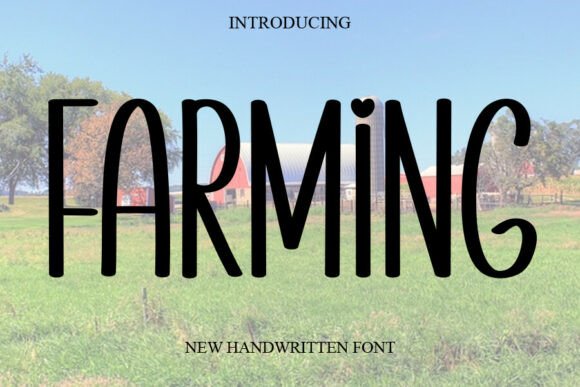
Farming and the Art of Handwritten Fonts
When it comes to branding, design, and communication, the choice of font can make all the difference. A font isn't just a visual element—it's a statement. It speaks to the personality, tone, and identity of whatever it represents. In the world of agriculture and food-related industries, one font has been gaining popularity for its charm, warmth, and versatility: Farming. This tall, sweet handwritten font brings a friendly and casual feel to any project, making it an excellent choice for bakery branding, food blogs, birthday invites, and more.
Farming is more than just a stylish font; it’s a tool that helps businesses connect with their audience on a personal level. Its handcrafted appearance adds a touch of authenticity and personality, which is especially valuable in industries where storytelling and community are key. Whether you're running a small farm-to-table restaurant or creating a personalized greeting card for a local farmer’s market, this font can elevate your message without overwhelming your design.
The Unique Appeal of Farming Font
What sets Farming apart from other handwritten fonts is its balance between elegance and approachability. It has a tall, flowing structure that gives it a sense of movement and energy, while its soft curves and gentle lines keep it from feeling too intense or overwhelming. This makes it ideal for use in both digital and print media, whether you're designing a logo, a social media post, or a promotional flyer.
One of the standout features of Farming is its PUA (Private Use Area) encoding. This means that all stylistic variations, ligatures, and special characters are accessible through simple keyboard shortcuts or font editing tools. For designers who want to experiment with different styles without needing advanced technical skills, this is a game-changer. It allows for greater creativity and flexibility, ensuring that your design can be customized to fit your brand's unique vision.
Additionally, the font's friendly and casual aesthetic aligns perfectly with the values of many modern brands. In an era where consumers are increasingly drawn to businesses that feel genuine and relatable, Farming offers a way to communicate that authenticity visually. It's not just about looking good—it's about feeling good, both to the designer and to the audience.
Practical Uses for Farming Font
Let’s explore some real-world applications where Farming shines:
- Bakery Branding: A handwritten font like Farming can help a bakery stand out in a crowded market. It adds a personal touch to packaging, signage, and marketing materials, making the brand feel more inviting and trustworthy.
- Food Blogs: For bloggers who write about recipes, cooking tips, or farm-to-table experiences, Farming can enhance the overall look and feel of their content. It’s especially useful for headers, titles, and call-to-action buttons.
- Birthday Invites: When it comes to event invitations, a warm and friendly font can set the right tone. Farming is perfect for creating handmade-looking cards that feel personal and heartfelt.
- Local Farmers’ Markets: Stall owners can use Farming to create eye-catching signs, labels, and promotional materials. It helps them build a connection with customers while maintaining a professional appearance.
These examples show how Farming can be used across a variety of contexts. Its adaptability makes it a versatile choice for anyone looking to add a touch of charm and personality to their projects.
Choosing the Right Font for Your Project
Before selecting a font like Farming, there are several factors to consider. First, think about your target audience. Are they young, trendy, or more traditional? Does your brand need to feel playful, professional, or somewhere in between?
Next, consider the purpose of your design. Is it meant to be read quickly, or is it more decorative in nature? Farming works best when used as a highlight rather than as the primary text. It’s ideal for headlines, logos, and accents, but may not be the best choice for long blocks of body text.
Also, pay attention to readability. While Farming has a charming appearance, it’s important to ensure that it remains legible in different sizes and formats. Always test your design in various contexts before finalizing it.
Finally, think about the tools you’ll be using. If you’re working with a design software that supports PUA encoding, Farming will offer you more control over its stylistic features. This can be particularly beneficial if you're looking to create custom designs or unique typography elements.
How Farming Fits Into Modern Design Workflows
In today’s fast-paced design world, efficiency and flexibility are key. Farming fits seamlessly into modern workflows by offering a balance between style and functionality. Its PUA encoding allows designers to access additional glyphs and stylistic options without requiring complex technical knowledge. This makes it easier to customize and adapt the font to suit specific needs.
Moreover, Farming is compatible with a wide range of design platforms, including Adobe Illustrator, Photoshop, and Canva. This compatibility ensures that it can be used across different mediums, from digital marketing to physical print materials. Whether you're creating a website, a social media post, or a branded product, Farming can help you maintain a consistent and cohesive visual identity.
Another advantage of Farming is its ability to blend well with other design elements. Its soft, flowing lines complement a variety of color schemes and background textures, making it a versatile choice for designers who want to create visually appealing compositions.
Final Thoughts on Using Farming Font
At its core, Farming is more than just a font—it’s a way to express personality, tell a story, and build connections. Whether you're running a small business, creating content for a blog, or designing invitations for a special event, this font can help you achieve a warm, friendly, and authentic look.
By understanding its strengths, limitations, and potential uses, you can make informed decisions about when and how to incorporate Farming into your projects. With its charm, versatility, and ease of use, it's no wonder that Farming has become a favorite among designers and creators in the food and agricultural industries.