Fallen Leaves: A Strategic Tool for Creative and Practical Expression
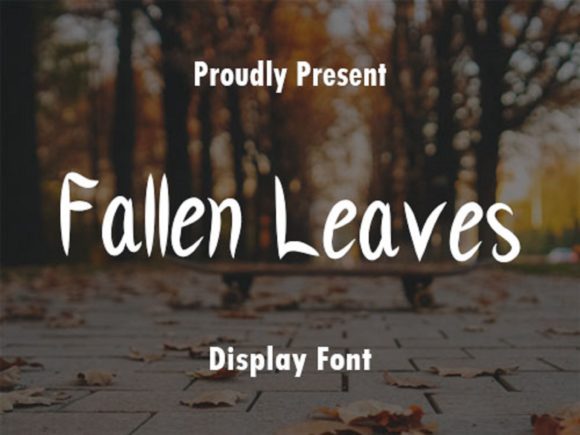
Fallen Leaves is more than just a font—it’s a visual language that can shape the way we communicate, create, and connect. With its cool and casual handwritten style, this font brings a sense of warmth, approachability, and personality to any design. Whether you're crafting a children's game, designing a cartoon, or simply adding a unique touch to your branding, Fallen Leaves offers a versatile and expressive tool that aligns with both artistic and strategic goals.
The Strategic Value of Fallen Leaves in Design
In an era where visual communication is key, the right font can make all the difference. Fallen Leaves stands out for its ability to convey emotion and character without being overly formal. This makes it particularly useful for audiences who value authenticity and creativity. From educators looking to engage students to entrepreneurs aiming to build brand identity, Fallen Leaves provides a foundation for meaningful expression.
Strategically, Fallen Leaves supports clarity and connection. Its handwritten nature invites readers to slow down, pay attention, and form a personal bond with the content. In marketing, for instance, using Fallen Leaves in promotional materials can help establish a friendly and relatable tone that resonates with target audiences. Similarly, in educational settings, it can enhance readability and engagement for younger learners or those who benefit from a more informal learning environment.
When to Use Fallen Leaves for Maximum Impact
Understanding when to use Fallen Leaves is as important as knowing how to use it. This font thrives in contexts where a touch of personality and creativity is needed but not overwhelming. Here are some strategic scenarios where Fallen Leaves shines:
- Branding for Niche Markets: If your business targets a creative or artistic demographic, Fallen Leaves can help reinforce your brand’s identity and values.
- Children’s Content: Its playful and approachable style makes it ideal for books, games, and educational tools aimed at younger audiences.
- Marketing Campaigns: Use Fallen Leaves in social media posts, email newsletters, or print ads to add a human element and foster emotional connections.
- Personal Projects: Whether it's a blog post, a portfolio, or a handmade item, Fallen Leaves adds a unique flair that sets your work apart.
However, it’s important to consider the context. Fallen Leaves may not be the best choice for formal documents, legal texts, or professional reports where clarity and professionalism are paramount. The key is to align the font with the message and audience it serves.
Planning for Effective Use of Fallen Leaves
Before integrating Fallen Leaves into your projects, take time to plan and evaluate its role within your overall strategy. Consider the following:
- Define Your Goals: What do you hope to achieve by using Fallen Leaves? Is it to enhance creativity, improve user experience, or build brand recognition?
- Know Your Audience: Will they appreciate the casual, handwritten feel, or might they find it too informal?
- Test Different Applications: Experiment with Fallen Leaves in various formats—print, digital, social media—to see how it performs in different contexts.
- Ensure Readability: Even though Fallen Leaves is visually appealing, ensure that it remains legible across different sizes and backgrounds.
By planning thoughtfully, you can avoid common pitfalls such as overuse, misalignment with brand voice, or poor visibility. These steps help ensure that Fallen Leaves enhances rather than hinders your communication efforts.
Long-Term Benefits of Using Fallen Leaves Intentionally
When used intentionally, Fallen Leaves can contribute to long-term outcomes in multiple ways. For instance, in the realm of branding, consistent use of the font can reinforce brand recognition and loyalty. Over time, customers begin to associate the font with your company, creating a stronger emotional connection.
In creative fields, Fallen Leaves can inspire innovation and experimentation. Its casual style encourages designers and creators to think outside the box and explore new possibilities. This can lead to more engaging content, better user experiences, and ultimately, greater success in competitive markets.
Additionally, Fallen Leaves can support learning and productivity. In educational environments, for example, it can help reduce cognitive load by making text more approachable and easier to process. For professionals, using Fallen Leaves in presentations or reports can make complex ideas more digestible and memorable.
Risks of Using Fallen Leaves Without Clear Intent
While Fallen Leaves has many advantages, using it without clear intent can lead to unintended consequences. One of the biggest risks is misalignment with brand identity. If the font doesn’t reflect your company’s values or messaging, it can confuse your audience and dilute your brand’s impact.
Another risk is overuse. Like any font, Fallen Leaves should be used sparingly to maintain its effectiveness. Overusing it can make your designs look unprofessional or cluttered, especially if it’s applied to every element of a project.
Finally, poor implementation can affect readability. If Fallen Leaves is used in low-resolution formats or on small screens, it may become difficult to read, leading to a negative user experience.
Practical Tips for Using Fallen Leaves Strategically
To maximize the benefits of Fallen Leaves, follow these practical tips:
- Use It Sparingly: Reserve Fallen Leaves for specific elements like headlines, logos, or call-to-action buttons rather than entire sections of text.
- Pair It Thoughtfully: Combine Fallen Leaves with a more traditional font for balance and readability. This creates a harmonious visual effect while maintaining clarity.
- Consider Context: Always assess whether the font fits the purpose and audience of your design. Avoid using it in situations where professionalism is critical.
- Test Across Platforms: Ensure that Fallen Leaves looks good on all devices and platforms, including mobile phones and tablets.
By applying these strategies, you can ensure that Fallen Leaves serves its intended purpose without compromising quality or effectiveness.
Conclusion
Fallen Leaves is a powerful tool that can enhance communication, creativity, and connection. When used strategically, it can support your goals, strengthen your brand, and improve user experiences. However, its effectiveness depends on thoughtful application and alignment with your objectives. By understanding when and how to use Fallen Leaves, you can unlock its full potential and achieve better results in your creative and professional endeavors.