Emmy Font: A Handwritten Choice for Creative Expression
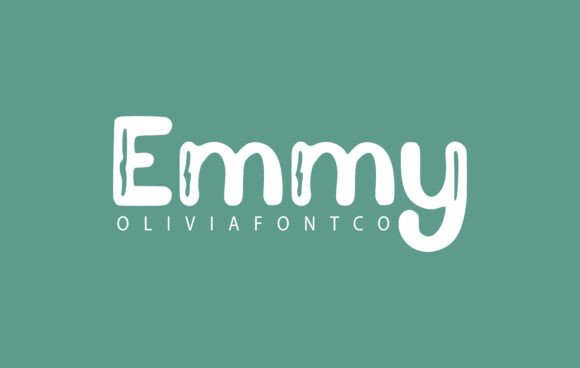
The Emmy font is a distinctive handwritten typeface that blends elegance with a romantic aesthetic. Designed to be both legible and visually appealing, it offers a unique balance between artistic flair and practicality. Whether used as a title or body text, Emmy stands out for its ability to elevate creative projects without sacrificing readability.
Aesthetic Appeal and Design Philosophy
At its core, the Emmy font is crafted with a focus on emotional resonance. Its flowing lines and soft curves evoke a sense of intimacy and charm, making it ideal for designs that require warmth and personality. The font’s design philosophy centers around authenticity—each stroke feels intentional, contributing to a cohesive visual language that feels both modern and timeless.
What sets Emmy apart from other handwritten fonts is its consistency in character formation. Unlike some fonts that can appear erratic or overly stylized, Emmy maintains a level of uniformity that ensures clarity even at smaller sizes. This makes it particularly suitable for use in both digital and print media, where legibility is paramount.
Practical Use Cases and Versatility
Emmy is not limited to any single application. Its versatility allows it to adapt to a wide range of creative scenarios. For instance, it works exceptionally well in magazine headlines, where it can draw attention without overwhelming the reader. On social media platforms, Emmy adds a personal touch to posts, enhancing engagement through its approachable style.
In branding contexts, the font can help establish a brand identity that feels genuine and relatable. Small business owners and entrepreneurs may find it particularly useful for logos, packaging, and promotional materials. Similarly, educators and publishers can leverage Emmy to create visually engaging content for students or readers.
Wedding invitations and event announcements also benefit from the font’s romantic undertones. It adds a touch of sophistication to formal events while maintaining an accessible feel. Cards, whether for birthdays, thank-you notes, or personal messages, gain a more heartfelt appearance when paired with Emmy.
Quality and Usability Considerations
When evaluating a font, quality often comes down to how well it performs across different mediums. Emmy excels in this regard, offering excellent rendering in both web and print environments. Its clean structure ensures that it remains readable even when scaled down, which is crucial for digital use.
Usability is another key factor. The font’s moderate weight provides enough contrast to stand out without being overpowering. This makes it suitable for both short and longer texts, depending on the context. However, it’s worth noting that Emmy may not be the best choice for highly technical or formal documents, where a more structured font might be preferable.
Consistency in letter spacing and character alignment further enhances its usability. These details contribute to a professional look, even though the font itself has a handcrafted appearance. This balance of aesthetics and functionality makes Emmy a strong contender for designers looking to add personality without compromising on quality.
Who Benefits Most from Emmy?
Emmy is particularly well-suited for individuals and businesses that prioritize creativity and emotional connection. Marketers and content creators may find it valuable for campaigns that aim to evoke nostalgia or sentiment. Freelancers and bloggers can use it to differentiate their work in a crowded digital landscape.
For those involved in print media, such as publishers and educators, Emmy offers a fresh alternative to traditional serif or sans-serif fonts. It can bring a new level of visual interest to newsletters, brochures, and educational materials. Similarly, small business owners looking to build a brand identity that feels authentic and warm will find Emmy to be a versatile tool.
However, it’s important to consider the target audience. While Emmy is ideal for audiences that appreciate a touch of romance and individuality, it may not be the best fit for more formal or corporate settings. That said, with careful application, it can still be adapted to suit a broader range of contexts.
Real-World Performance and Limitations
In practice, Emmy performs well in most situations where a handwritten font is appropriate. It maintains its integrity across various platforms, including websites, social media, and printed materials. Its performance in different languages is also noteworthy, though it may not support all character sets equally.
One limitation to consider is its lack of customization options. While this is common among many fonts, it means that users cannot adjust specific elements like stroke width or spacing beyond what is provided. For designers who require fine-tuned control, this could be a drawback.
Another consideration is the font’s compatibility with certain design software. While it generally works well with popular tools like Adobe InDesign and Canva, there may be instances where minor rendering issues occur. Testing the font in the intended environment is always recommended before finalizing a project.
Conclusion and Recommendations
Emmy is a thoughtful and well-crafted font that offers a unique blend of style and function. Its romantic touch and legibility make it a compelling choice for a variety of creative applications. Whether you're designing for social media, branding, or print, Emmy can enhance your message with a touch of personality.
If you’re looking for a font that balances artistry with practicality, Emmy is definitely worth considering. It’s especially beneficial for those who value emotional resonance in their designs. As with any font, it’s essential to evaluate its suitability based on your specific needs and goals. With the right application, Emmy can become a trusted asset in your creative toolkit.