Dictionary: A Handwritten Script Font That Redefines Modern Design
In a world where digital communication is fast and often impersonal, the need for visual elements that convey warmth, personality, and creativity has never been greater. Enter Dictionary, a stylish handwritten script font that blends modern elegance with a playful touch. Designed to stand out in a sea of sterile, corporate fonts, Dictionary brings a human element to design, making it an ideal choice for a wide range of creative projects.
The Evolution of Typography in a Digital Age
Typography has always played a crucial role in how we communicate visually. From the ornate calligraphy of the past to the sleek sans-serif designs of today, each era has its own signature style. However, as digital media continues to dominate our daily lives, there’s a growing demand for fonts that feel personal and authentic.
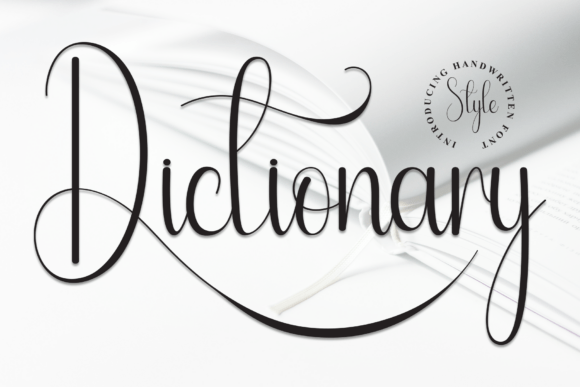
Dictionary responds to this shift by offering a balance between modern aesthetics and handwritten charm. Its fluid strokes and charming curves evoke the feel of a handwritten note, yet it maintains a level of sophistication that aligns with contemporary design trends. This duality makes it particularly appealing to professionals and creatives who want their work to stand out without sacrificing quality or professionalism.
Why Dictionary Stands Out in the Font Landscape
While many script fonts can come across as overly whimsical or difficult to read, Dictionary manages to strike a perfect balance. It’s not just about looks—it’s about functionality. The font is designed with readability in mind, ensuring that even in larger sizes or at a distance, the text remains legible and elegant.
One of the standout features of Dictionary is its versatility. Whether used in a logo, packaging design, or a wedding invitation, the font adapts seamlessly to different contexts. Its playful yet refined appearance makes it suitable for both formal and informal applications, which is a rare trait in the world of typography.
For designers working on branding projects, Dictionary offers a unique opportunity to create a visual identity that feels both modern and personal. It’s especially effective when paired with other typefaces, allowing for a layered, dynamic composition that speaks to the brand’s values and personality.
Trends Shaping the Future of Typography
As remote work becomes more common and digital experiences continue to evolve, the way we interact with visual content is changing. People are no longer satisfied with generic, one-size-fits-all design solutions. Instead, they seek out fonts and design elements that reflect individuality and authenticity.
This trend is reflected in the increasing popularity of handwritten and stylized fonts like Dictionary. These fonts allow brands and individuals to connect with their audience on a more personal level. In marketing, for example, using a font that feels handcrafted can help build trust and emotional engagement with customers.
Additionally, the rise of social media platforms has further fueled the demand for visually striking and memorable typography. Users are more likely to engage with content that stands out, and a well-chosen font can make all the difference in capturing attention and conveying the right message.
Practical Applications of Dictionary in Real-World Scenarios
Whether you’re a small business owner launching a new brand, a designer working on a client project, or a blogger looking to enhance your online presence, Dictionary offers a range of practical applications. Here are a few examples:
- Logos and Branding: Dictionary’s elegant yet approachable style is perfect for creating logos that feel both professional and personal. It works well for businesses in creative industries, such as fashion, art, and lifestyle.
- Invitations and Event Design: From wedding invitations to event posters, Dictionary adds a touch of warmth and sophistication that enhances the overall experience.
- Product Packaging: For product designers, this font can elevate the look of packaging, helping to differentiate a brand in a competitive market.
- Marketing Materials: Use Dictionary in brochures, social media graphics, or email newsletters to create a cohesive and engaging visual identity.
Each of these applications highlights how Dictionary can be integrated into various aspects of design, offering both aesthetic appeal and functional value.
Choosing the Right Font for Your Project
When selecting a font like Dictionary, it’s important to consider the context in which it will be used. While its playful and elegant style is versatile, it may not be suitable for every situation. For instance, in highly technical or formal documents, a more traditional serif or sans-serif font might be more appropriate.
However, in creative or branding-focused projects, Dictionary can be a game-changer. Its ability to blend modern and handwritten elements makes it ideal for use in environments where a personal touch is desired without compromising on professionalism.
It’s also worth noting that the availability of high-quality font tools and design software has made it easier than ever to experiment with different typefaces. Tools like Adobe Illustrator, Canva, and Figma allow designers to test how a font like Dictionary looks in different settings, ensuring that it meets both aesthetic and functional requirements.
Conclusion
Dictionary is more than just a font—it’s a statement. In a world where visual communication plays a central role in how we connect and engage, having a typeface that reflects both personality and professionalism is invaluable. Whether you’re designing a logo, crafting an invitation, or building a brand identity, Dictionary offers a unique combination of style, readability, and adaptability that can elevate any project.
As design trends continue to evolve, the demand for fonts that bridge the gap between modern aesthetics and human connection will only grow. Dictionary is well-positioned to meet this demand, offering a fresh and stylish alternative to the standard fonts that dominate the digital landscape.